First, at the procurement stage, raw materials must be tested for excessive mold levels before purchase; any materials failing the test must not be procured. This is especially critical for high-fat oilseed meals with moisture content exceeding 14%. Even if mold levels are within limits at the time of testing, these materials are prone to mold growth during storage. Therefore, they should be avoided unless necessary, or only purchased in small quantities with continuous monitoring for mold spoilage.
Raw materials must be stored under conditions that meet the following requirements: well-ventilated, cool, and dry; no leaks in the roof and no standing water on the ground. Materials should be stacked on ventilated pallets to prevent mold growth at the bottom due to moisture seepage from the floor. Regular random inspections must also be conducted to check for mold spoilage in stored materials, and use must be discontinued immediately if mold levels exceed standards.
When preparing total mixed ration (TMR), after each mixing cycle and discharge of the ration, promptly clean all residual feed from dead corners on the mixer’s inner walls. This prevents mold growth in leftover ration inside the mixer under high temperature and high humidity conditions.
Pay close attention to the ration in feed troughs, especially for TMR that is fed throughout the day. In hot and humid environments, the ration at the bottom of troughs is prone to spoilage. Adjust the amount of feed based on intake levels, increase feeding frequency, and control portion sizes to avoid prolonged accumulation of ration in troughs. Before each feeding, always remove any leftover feed from the troughs. Moldy feed must never be fed to cattle or sheep.
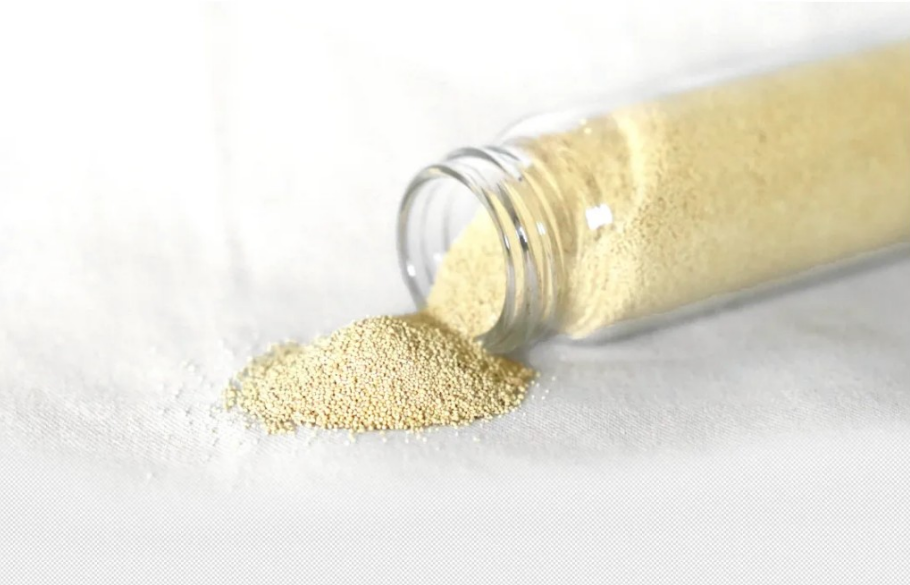
While monitoring and testing for mold, we can use high-quality mycotoxin binders, such as montmorillonite, yeast cell walls, and mycotoxin-degrading enzymes, to reduce the harm of mycotoxins to animals. However, if the raw materials are already visibly moldy, mycotoxin binders will not be effective. It is recommended to discard these moldy materials entirely, as their use will only lead to greater losses.